
Mould in grout and silicone: when cleaning is enough and when it needs a repair
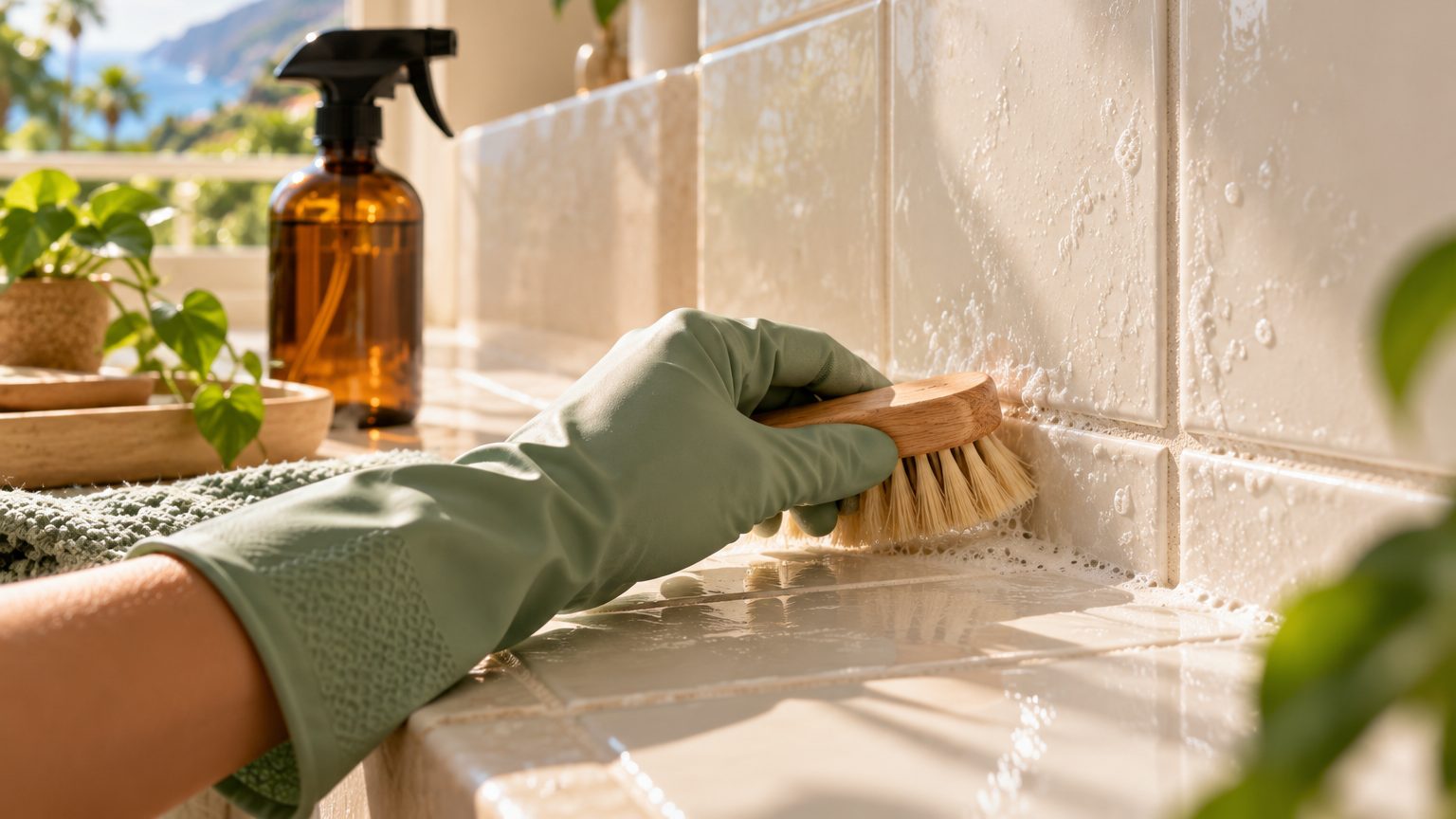
Why black spots appear in bathroom and kitchen joints during Madeira's humid months, what cleaning can remove, how to prevent it, and the signs that a repair or damp check is needed.
Why grout and silicone turn black
If you have a home on Madeira, you have probably seen it: small black dots in the grout between the shower tiles, a dark line along the silicone around the bath, or spots behind the kitchen tap. On the south coast the rainy period runs from October to February, and humidity stays high all year round. Most homes have no heating, so in the cooler months bathrooms and kitchens dry slowly after every shower or cooking session.
Grout is porous and silicone gives mould a soft surface to hold on to. Add warm air, moisture that never fully dries and a little soap residue, and mould has everything it needs. Holiday homes and rentals that stand empty for weeks are especially affected: with windows closed and nobody wiping surfaces, moisture sits in the room and spots appear quickly.
What regular cleaning can remove
Much of what you see is surface mould on tiles and on top of the grout. This can usually be removed with regular cleaning: a suitable bathroom cleaner, a soft brush for the joints, a good rinse and, just as important, drying the surfaces afterwards. When this is done regularly, spots do not have time to settle in.
This is what we do as part of regular cleaning and holiday home care: tiles, grout lines and silicone edges in bathrooms and kitchens are cleaned and dried, and in holiday homes the rooms are aired during the visit. You receive a photo report, so you can see the condition of the bathroom even when you are abroad.
How to prevent it
Prevention is mostly about moisture. A few simple habits make a clear difference:
- Ventilate after every shower and while cooking – open a window or use the extractor fan.
- Wipe water off tiles, glass and silicone with a squeegee or cloth after showering.
- Use a dehumidifier in bathrooms and bedrooms during the humid months, especially in homes that stand empty.
- Keep a regular cleaning rhythm so surface mould is removed before it spreads.
- In holiday homes, arrange for the property to be aired and checked while you are away.
Signs that cleaning is not enough
Some marks will come back however well they are cleaned, because the problem is not on the surface. Watch out for:
- Mould under or inside the silicone – dark patches that sit behind the surface of the seal.
- Grout that crumbles, cracks or is missing between tiles.
- Spots that return within days of a thorough clean.
- Damp patches, bubbling paint or stains on walls and ceilings.
- A musty smell coming from the walls rather than from the room.
When it needs a repair
In these cases the silicone needs to be removed and re-sealed, the grout repaired, or the cause of the damp found – for example a leak, a failing seal or water getting in from outside. Cleaning alone cannot fix this. Our sister company Handyman Madeira handles repairs such as re-sealing and also offers a damp and leak inspection to find where the moisture comes from.
A note on safety
Never mix bleach with ammonia or with acidic cleaners such as descalers or vinegar – the combination releases harmful gases. Use one product at a time, rinse between products, and keep the window open or the fan running while you clean.
What Ilha Calma does – and does not do
We offer regular cleaning and holiday home care on Madeira's south coast, from Calheta to Machico. This includes cleaning surface mould from tiles, grout and silicone, airing the home and sending a photo report so you know how things look. We do not carry out mould remediation or repairs ourselves. If we notice signs that cleaning is not enough, we tell you, and you can contact Handyman Madeira for re-sealing or a damp check.